

What's A door architrave?
A door architrave is the ornamental cut that structures a doorway. Its main purpose is to cover the combined between the wall and the doorway body, but it addittionally adds a significant stylistic feel to a room. Think of it since the picture figure for the architrave door—it may be easy and refined or ornate and eye-catching.
Exactly why is selecting the most appropriate architrave crucial?
Choosing the proper architrave is essential since it can help define the type of a space. A well-chosen style can link the room's entire aesthetic together, increasing detailed architecture and matching your inside style. Alternatively, a mismatched architrave can interrupt the visible flow and make a space sense disjointed. It's a small detail which makes a large impact on the general design.
What're some common architrave types for contemporary rooms?
For contemporary and minimalist homes, clean lines are key. Typically the most popular trends contain:
Square-Edged: That style is simple, sharp, and sleek. It features a smooth account with a fresh, 90-degree side, offering a no-fuss search that combinations effortlessly with modern décor.
Single-Step: That design provides a bit of degree without having to be excessively decorative. It includes a level experience with an individual, small step or groove across the internal side, providing a subtle darkness point that gives interest.
What architrave ideas work most useful for traditional properties?
Old-fashioned rooms benefit from more detailed and ornate architraves that evoke an expression of record and elegance. Trending choices for common models contain:
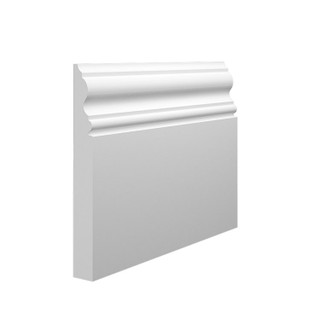
Ogee: This can be a common page offering an exceptional 'S'-shaped curve. It's a graceful and amazing choice that fits Victorian, Edwardian, and different period-style homes.
Torus: Known with a spherical, semi-circular convex profile, the Torus architrave is still another common selection for old-fashioned settings. It's slightly less ornate compared to the Ogee but nevertheless provides some common sophistication.
Can I combine various architrave types within my house?
Sure, you can, but it must be performed thoughtfully. It's common to use a more ornamental, distinguished architrave in principal living areas like the lounge or living area and an easier design in rooms or application spaces. The important thing is to keep a constant topic or shade palette to guarantee the different designs sense connected rather than random. For instance, maintaining the exact same height and color end across all architraves can cause a logical search despite having different profiles.